


Last time I found that the main problem causing the slow transfer between the tanks was the collapse of the plastic outlet on the main tank when the fastener connecting the fuel tubing to it was tightened. I thought I might have solved it by moving the connector closer in towards the tank body where collapse would be less likely but I found when I added more fuel today that the transfer rate was better but still not good enough. When I removed the tubing I found that this was due to ‘memory’ in the plastic and even though the section of the outlet was beyond the fastener, it was still collapsing but not by quite as much.
I then decided it was time to move to ‘Plan B’ and went off to buy some small-bore copper tubing to insert into the tank outlet and work in the same way as a stent does for heart patients. I got two diameters and was delighted when I got back to find that the larger of the two did the job. The result was that when I added fuel, the transfer from the main to the second tank was not instantaneous, but was hugely improved to the extent that it will be very workable. Also, when I drained the tanks afterwards (remember that MYRO will have to be re-weighed for permitting and the tanks should therefore be empty for that), both tanks drained at the same rate. Here’s how the set-up looked at the end of the job – I am very pleased with it, I must say.


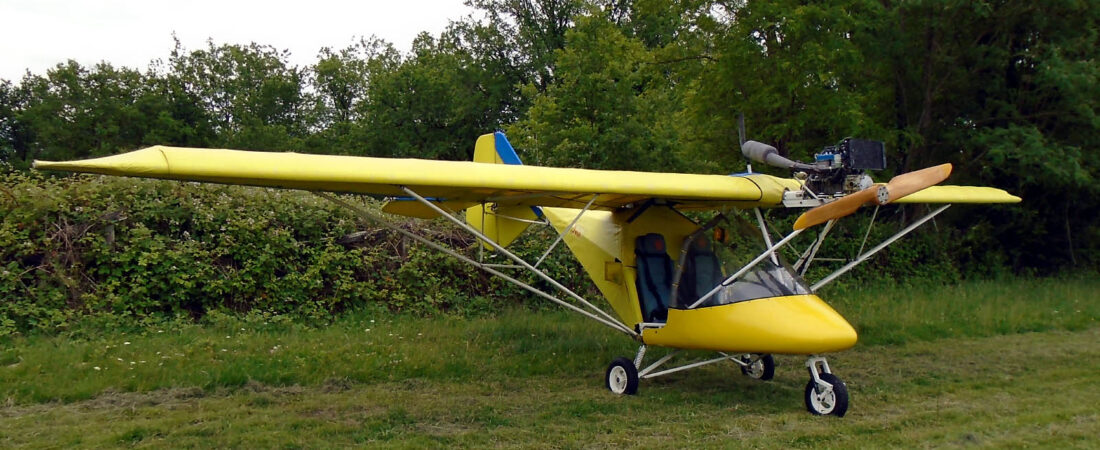
This is a real result because it means that when MYRO takes to the air next time, it will have a duration with full tanks of over 3 1/2 hours! Full tanks will only be possible when flying solo (legally you must trade fuel for weight to remain within the maximum permitted total) but I can hardly wait 😀
 English
 Nederlands
 Français
 Deutsch
 Italiano
 Latviešu valoda
 Português
 Español