
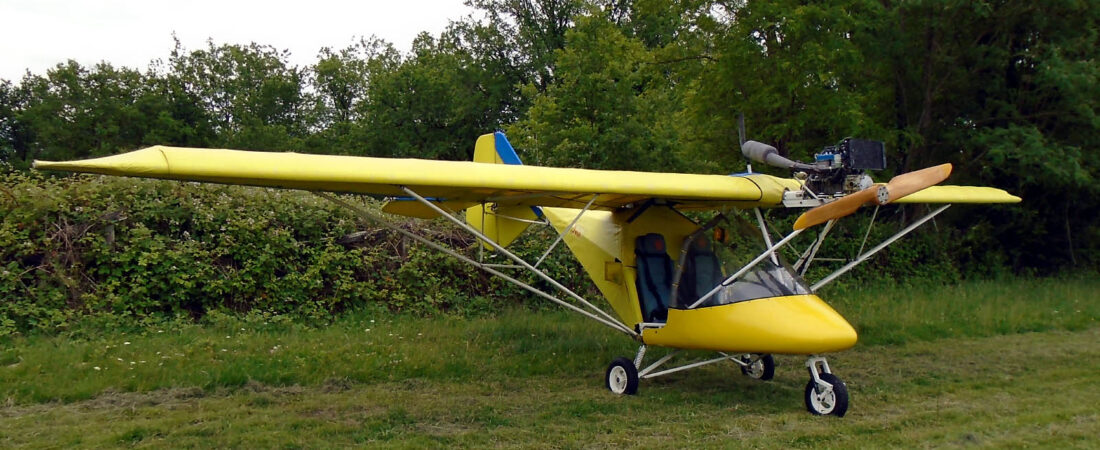


Made some good progress today, although the day didn’t start too well really. The remaining items that I needed arrived early in the post but then when I left to go to Ken’s, although I thought I’d picked up everything I’d need, I hadn’t. I thought I’d left the steering arm bits in my car but actually they were in my conservatory. As was MYRO’s starter key, so although I started on the new steering arms when I got to Ken’s, I soon had to return home again. I went straight back after lunch and finished the steering arms off and here are a couple of shots of them.

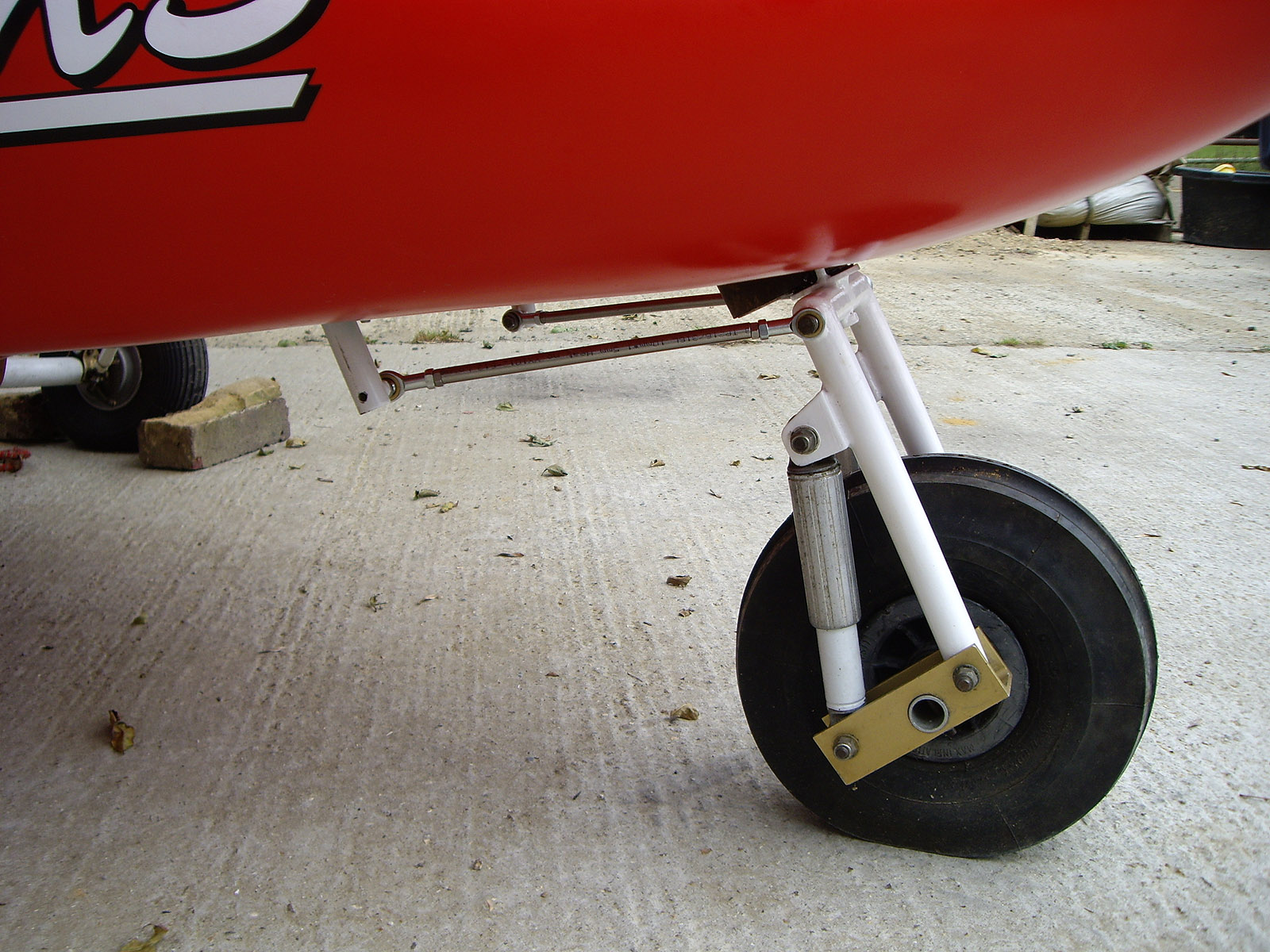
I’m pleased with how they’ve turned out but I’ll just use them to put MYRO through permit and then slightly modify them. The reason is that I’ve used M6 threaded stainless rod which I’ve enclosed in a stainless outer. The outer is made from 10mm OD tube with 1.5mm wall thickness. That gives an inner diameter of 7mm which I thought I’d need to take the 6mm dia rod. But it turns out I was wrong – the 6mm rod will fit inside 8mm tube with 1mm wall thickness without being too tight, so that’s what I’ll change the outer to when everything else has been sorted.
The other thing is that I eventually sorted out my starting problem without having to resort to dropping the panel. The clue today was that when I arrived and tried the starter, the engine kicked. That led me to believe that the circuitry is OK and when I was able to rig up my meter, I found that current was getting up to the starter solenoid when the key was turned. My initial thought was that the starter solenoid had failed but I couldn’t see why it should have after all this time. So I then had the idea of clamping a jump lead to the solenoid and the other end to the battery negative and sure enough, that did it. So the answer all along was that although the bolts holding the rectifier and solenoid to the main tube were a good enough earth before, now they aren’t, so all I had to do was make up a short earth lead which I clamped to the rectifier and battery earth terminal.
With that, although there was a lot of coughing and spluttering, probably because of the oil that had been put into the engine when it was checked, in an amazingly short time really, the engine started and was running sweetly. My new Ivo prop came off a Sluka and in theory, the pitch it should have been set to should have allowed MYRO’s engine to over-rev on the ground. But in fact it only revved to just over 6000 RPM with brakes on (that’s assuming the rev counter is accurate) so I’ll have to see what the power is like with the current pitch setting when I can do some ground runs.
There’s only one little niggle – one of the CHT gauges isn’t now working whereas it had been before. Unfortunately it was shaken a bit when I tapped the panel clips in so the gauge itself may now be damaged. I’ll find out when I get a chance to switch the wiring over between the senders – maybe tomorrow. So I probably won’t be spared my groping up behind the panel after all – but at least the CHT gauge is more accessible than the starter switch would have been 😕
 English
 Nederlands
 Français
 Deutsch
 Italiano
 Latviešu valoda
 Português
 Español