


After I’d experimented with Tethering during the morning yesterday, my new French sim card arrived at lunchtime, so after setting my phone up, I was able to try it out for real. My first problem was getting the phone to work in 4G data mode. It continued working fine in my living room and I could even get it to tether my home wi-fi signal to my PC (a useless exercise in practise but an interesting and informative experiment) but I just could not get it to connect to the internet even though it showed that it was receiving a good signal in both 3G and 4G modes.
By mid to late afternoon I was becoming incredibly frustrated, having had to self-teach myself about Access Points and other stuff that ordinary people never have to worry about if they buy a phone from their network provider who kindly sets it up for them in advance. But I hadn’t, so it wasn’t. I suspected that not having the correct AP settings was my problem, but try as I might, I couldn’t find the settings for Free here in France anywhere on the internet. I’d have kicked the cat if I’d had one, but actually I should have kicked myself, because when I turned over the letter that I’d received from Free with my new sim card stuck to it, there they were, together with other helpful information, like how to access your voicemail. Doh!
It then didn’t take too long to get the phone working as it should, but if I’d been expecting blisteringly fast internet (which I was to a certain extent), then I was disappointed. I know that 4G is still in its infancy and yes, we are in a remote rural area, so it would be too much to expect miracles, but really and truly, it isn’t any faster on my spanking new smartphone than on my desktop PC with its steam-powered 2GB/sec internet connection. And Tethering, although it worked, was equally disappointing.
But then I’m not going to be using either the internet or Tethering when I’m at home, although I have to admit that I had harboured hopes of tethering to my PC and getting faster home internet. No, they will mainly be for use when I’m out and about and, who knows, things may be better wherever I happen to be at the time. And even at these speeds, I’ll still be able to do flight planning in real time, so that will be useful for next year’s flying tour, wherever we head for, so long as there’s a signal there 🙂
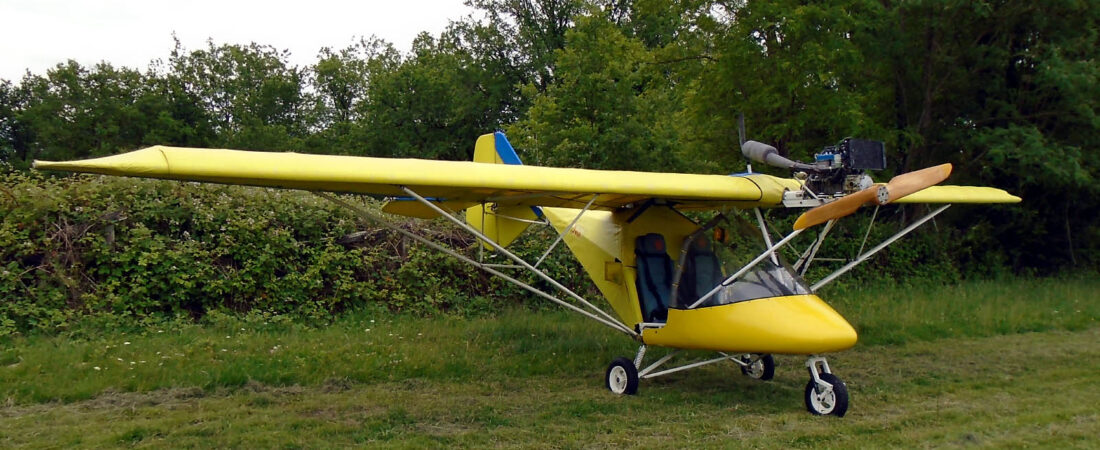
The postie also delivered a length of aluminium tube that I’d ordered for 28AAD’s trailing link repairs at the same time yesterday as my new sim card. I’d already received a length enough for a single trailing link of diameter 20mm and wall thickness 1.5mm a few days before, following which I’d then gone for the piece that arrived today. This was of the same diameter but with a wall thickness of 2mm. I thought that with an internal diameter of 16mm (compared to 17mm for the first piece) that it would still accept the jointing pieces that are inserted into each end that had had crude shims fitted around them in the damaged units, but it didn’t. So today I had to order a further piece enough for the second trailing link, of wall thickness 1.5mm, and will just keep the piece that arrived today ‘in stock’ for another time.
However, when I checked the 1.5mm thick tube against the old ones that had just split apart in the accident, I found that I will probably have nothing to fear, as it appears that whoever did the last repair only used tube with a wall thickness of about 1mm, or possibly even a bit less. Absolutely mind boggling! Is it any wonder that they failed on the next hard landing 😐
 English
 Nederlands
 Français
 Deutsch
 Italiano
 Latviešu valoda
 Português
 Español