
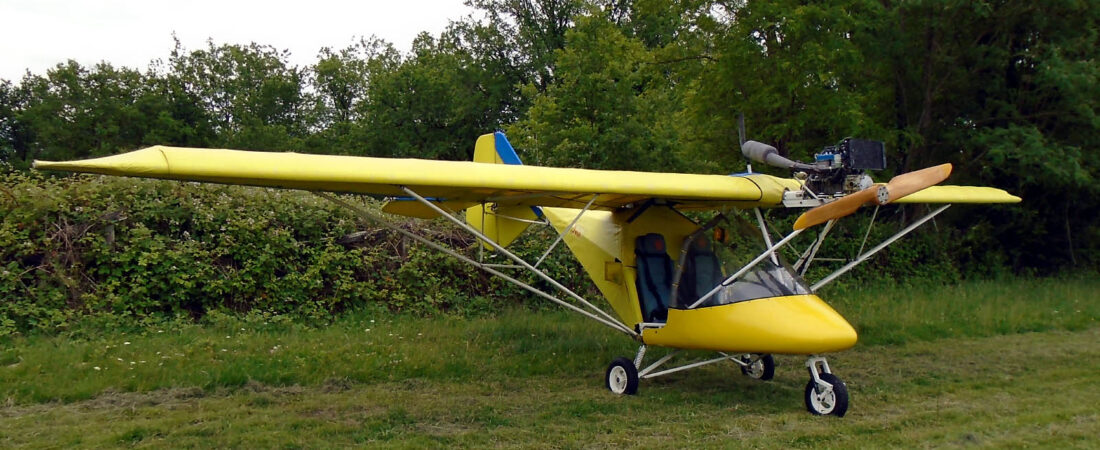


Just like it ough’er be mate. Oh dear, sometimes I try a little bit too hard with this stuff, but just to say that 56NE’s prop is done, finished and is now cushtey (sorry again). Must stop watching those old re-runs of Only Fools and Horses 🙂
As Russ said in his comment, perseverance usually pays off, and so it did on this occasion. But not without a heck of a lot of elbow grease and scraping. But in the end, it was worth it when all of the old varnish had been removed. I haven’t worked much with wood for some time and I’d forgotten what a delightful material it can be, the more so when it’s clean, smooth and with beautiful sensuous curves, just like 56NE’s prop when I eventually got it all cleaned up. Here’s a pic taken at that stage.

Unfortunately, I didn’t take any photos before I started work to compare things with, but take it from me, this was a huge improvement on how it looked before. Where some areas of old varnish had flaked off, moisture had been in contact with the wood itself and although it hadn’t done any real damage, it had left some unsightly black marks, which I’d largely been able to eradicate by very careful sanding. Sure, there were some old repairs done with fibreglass, nothing serious, which I intended to tidy up a bit but at the end of the day this is a wooden prop from 1998, so it’s done pretty well to survive in the kind of condition it’s in, from what I’ve read on the internet. I doubt that it’s been regularly waxed and re-varnished every couple of years, which wooden props are supposed to be, let alone been mollycoddled and lovingly serviced on a regular basis!
I redid all of the old repairs using Isopon, which I swear by after watching a model builder using it with plywood to construct a scale model of the Queen Elizabeth, which eventually ended up as an exhibit at Thorpe Park (I won’t bore you with the details of what my connection was with that). Unfortunately, Isopon ends up being rather dark, so I had to think of some way to tone the repairs down a bit, which I decided I’d do by using a varnish with a bit of colour added. The prop originally had yellow painted tips, which incidentally, had been the hardest parts to clean off, and I also wanted to retain them on the finished article. But first I needed to apply a light coat of varnish to seal the surface. Many weeks ago, I’d bought a can of clear spray varnish and I decided that this would be ideal for the job. Here’s a shot that I took after I’d given the prop its sealing coat.

Next I masked the tips and replaced the bright yellow tip ends using a can of furniture-type spray that I’d found at ‘Les Briconautes’. That was the last job I did yesterday and after I’d left them to dry for a short while, I carefully moved the prop into my ‘cave’ with the masking on for them to dry and harden overnight. When I got the prop out again this morning and removed the masking, they looked absolutely splendid. The decision I then took was, with hindsight, a mistake. The coloured varnish which I then wanted to apply a nice, thick, protective couple of coats of, I could only get in brush-on form. What I should have then done was mask up the yellow tips and varnish just the ‘bare’ wood, but I didn’t. I varnished over everything, including the new yellow tips. This isn’t a disaster as the next pic shows, but with hindsight, if I’d masked the tips, colour-varnished just the bare wood and then given the whole lot a final coat of spray-on clear varnish, as I did, the tips would have stayed brighter than they have done. But not to worry – if we keep it to ourselves, nobody will ever know 😉

I’m very pleased with the finished result. I’m glad that I ended up stripping the whole prop and refinishing it as I’d originally planned on just rubbing down the ‘bad’ bits and spraying them in by hand. I always knew that this would be a bodge-up and I don’t like bodge-ups at the best of times. The prop is now inside its cover in the back of my car, ready to be re-fitted tomorrow. After finding that the bolts were all a bit loose when I took the prop off, I’ve tried to find the correct torque-wrench settings on the internet. From the diameter of the bolts (8mm, 5/16″) I think that about 20 lb-ft should be about right, so that’s what I’ve decided to go with. I also found that with wooden props, bolt torque should be checked every 25 hours due to the wood ‘breathing’ with changes in atmosphere, so that’s what I’ll do in future. But for now, I can’t wait to get the prop back on again and hopefully get an hour or so’s flying in. The temperature tomorrow will about about 27 degrees Celsius with winds picking up in the afternoon. But the winds will be only light in the morning, so that will be the best time to go. Temperatures are forecast to increase to the lower/mid 30’s next week so it looks as though we can expect thermic daytime conditions, but I’ll have to see how it goes and play things by ear. But at least I’ll have a flyable aircraft back again 🙂
 English
 Nederlands
 Français
 Deutsch
 Italiano
 Latviešu valoda
 Português
 Español
You were right, Russ, just needed to stick at it and keep going. It didn’t end up looking too bad but having looked back at some of my original shots from last year, it looks as though the black marks weren’t there originally and were caused by moisture retained in the cover I’d wrapped the prop in during the winter. So it’s possible they could have been avoided if I’d removed the prop after running the engine while the aircraft was parked outside over the winter. But c’est la vie, no real harm done and now to get back to flying!
fantastic job Roger, it looks great