
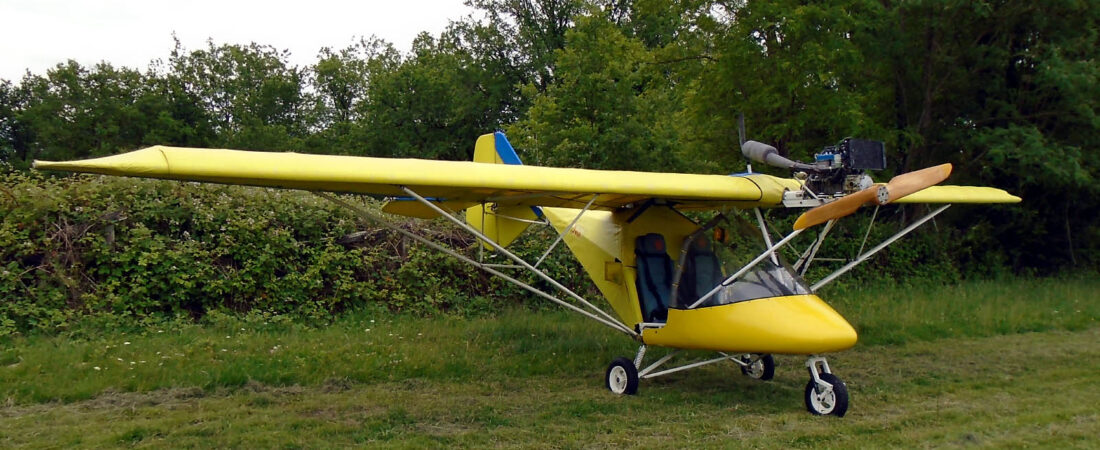


After all the delays, setbacks and other distractions of the past few days, I vowed that I had to get started today on 56NE’s prop. I need to strip off the varnish coat, which is damaged and flaking in places, clean it up, fill it where needed and and rub it down so I can give it a new, fresh coat. I had a small can of paint stripper that I’d brought with me from England but somehow I knew in the back of my mind that this wasn’t going to be a nice straightforward job.
One of the reasons for that is that, quite frankly, modern paint strippers just don’t work, at least they don’t work anything like as well as they did ‘when I was a lad’. The reason for this is that environmental concerns, backed up by new laws for all I know, mean that the good-old strippers that we had and that used to due the job a treat are no longer sold. Time was when you could apply a bit of paint stripper to the paint or whatever on the item that you wanted to strip and literally see it start to bubble up within a few seconds, or minutes at most. Then all you had to do was give it a bit of a go with a scraper, sometimes just give it a wipe even, and the job was done with maybe a need for a second coat in places to make it really clean.
That’s now all gone by the board and is just a distant memory for people like me who used to strip and repaint old motorbikes and cars in our youth as though it was going out of fashion. Sure, the blurb on the tins nowadays promises the earth – ‘Strip up to 10 coats with just one application’ – but the trouble is, it just doesn’t deliver. I found it was so when I needed to strip the paint off the second-hand pod that I acquired when I did the repair on MYRO. I never succeeded however much I tried and in the end had to compromise and do the best job possible with much more paint left on than I would have liked. And so it was with that background that I set to on 56NE’s prop today.
I’d like to say that this time it was different – I slapped the stripper on according to the instructions, the varnish cooperated by bubbling up and it was just a matter of removing it with a plastic scraper. But I can’t. It was a bloody awful job – no matter how much stripper I applied, the varnish would just wrinkle a bit around the edges and then when I began scraping, it was hard varnish that I was scraping off, no matter how long I’d left it for the stripper to ‘penetrate’ and soften it, as the tin said it would. So naturally, after a few hours, as it was only a 300 ml tin, I ran out and had to go and buy some more. So it was off to ‘Les Briconautes’ in Montignac to seek out a can of ‘Décapant universel’. I found it all right, and the tin made the same old claims, except this time in French.
The can design made it appear that this stripper was a real baddie – watch out or it would strip the hair off your cat if you weren’t looking – but actually it was the stripper itself that turned out to be the pussy. It didn’t even seem to work as well as the stuff I’d brought from England, but maybe that was just because by now I was losing the will to live. I applied the gel, left it and then began scraping only to find that once again, once the frilly edge bits had gone, I was scraping off hard varnish. So much for 10 coats! And as for the yellow paint on the prop tips, that has defied my every attempt to get it off – not even hardly being softened by this stuff that’s supposed to remove ‘all types of paint, varnish etc’ with ease.
I ended up earlier more or less getting all of the varnish off – at least, enough probably for me to rub the prop down and apply a new, fresh coat – but I’ve still got a lot of yellow paint to get off the prop tips. I’m thinking that I might gingerly try a heat gun tomorrow but I fear that it’s going to be a long, hard slog to get all of it off and the whole prop clean enough for me to be happy enough to go onto the next stage 🙁
 English
 Nederlands
 Français
 Deutsch
 Italiano
 Latviešu valoda
 Português
 Español
sounds like a right pain! still perseverance usually pays off!